
Do you want to build a steel structure factory?
Contact Juhe Steel Structure Warehouse Enjoys More Discounts
Contact us for the latest quote and have a chance to receive free 3D design drawings and solutions. One on one customer service for you.
In architecture, there are a lot of building materials. The most common examples include traditional buildings with reinforced concrete structures, wooden structures with thousands of years of history, the most innovative modular buildings, and the most modern steel structure factories. These materials have their own advantages and disadvantages, but each one is very common in our daily lives.
Today we will discuss the advantages and disadvantages of wooden and metal buildings, which may help you who are choosing to build private small buildings.
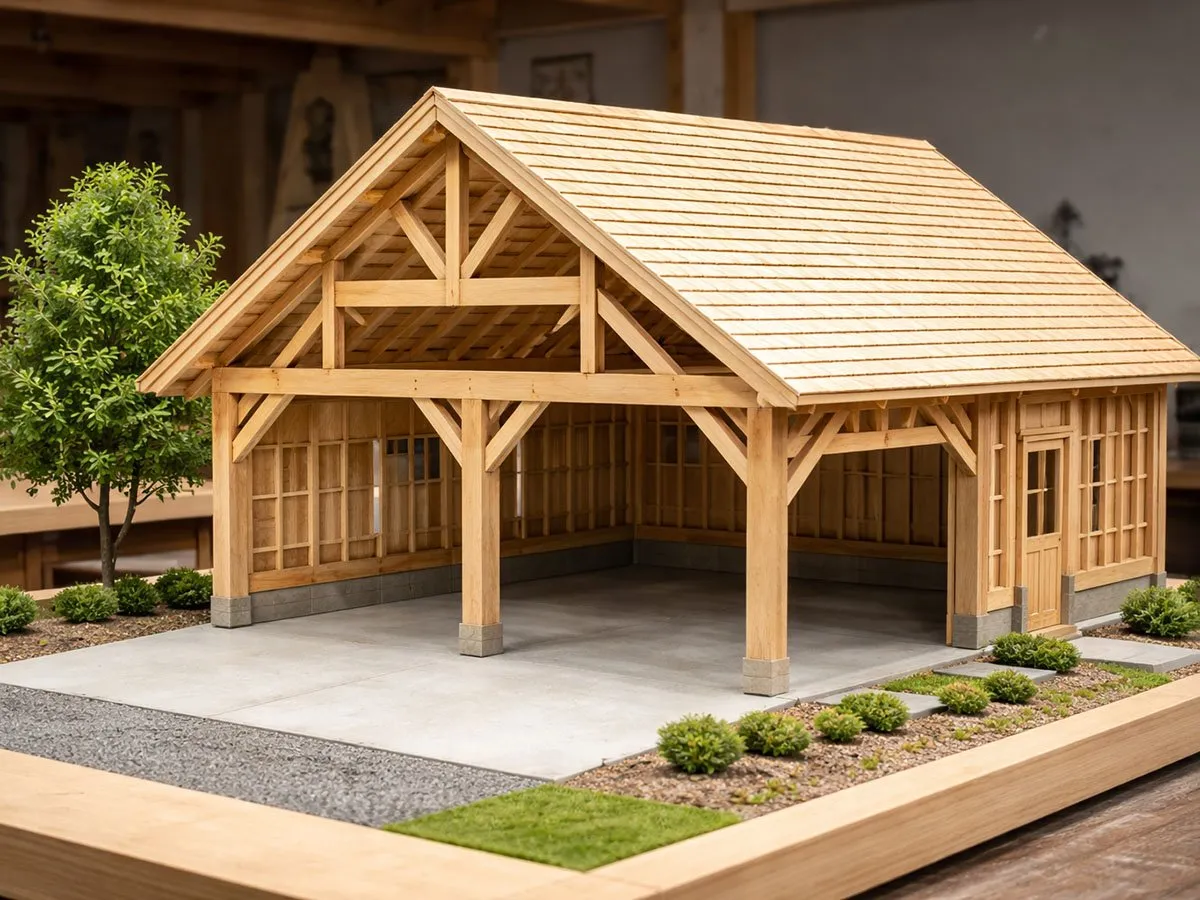
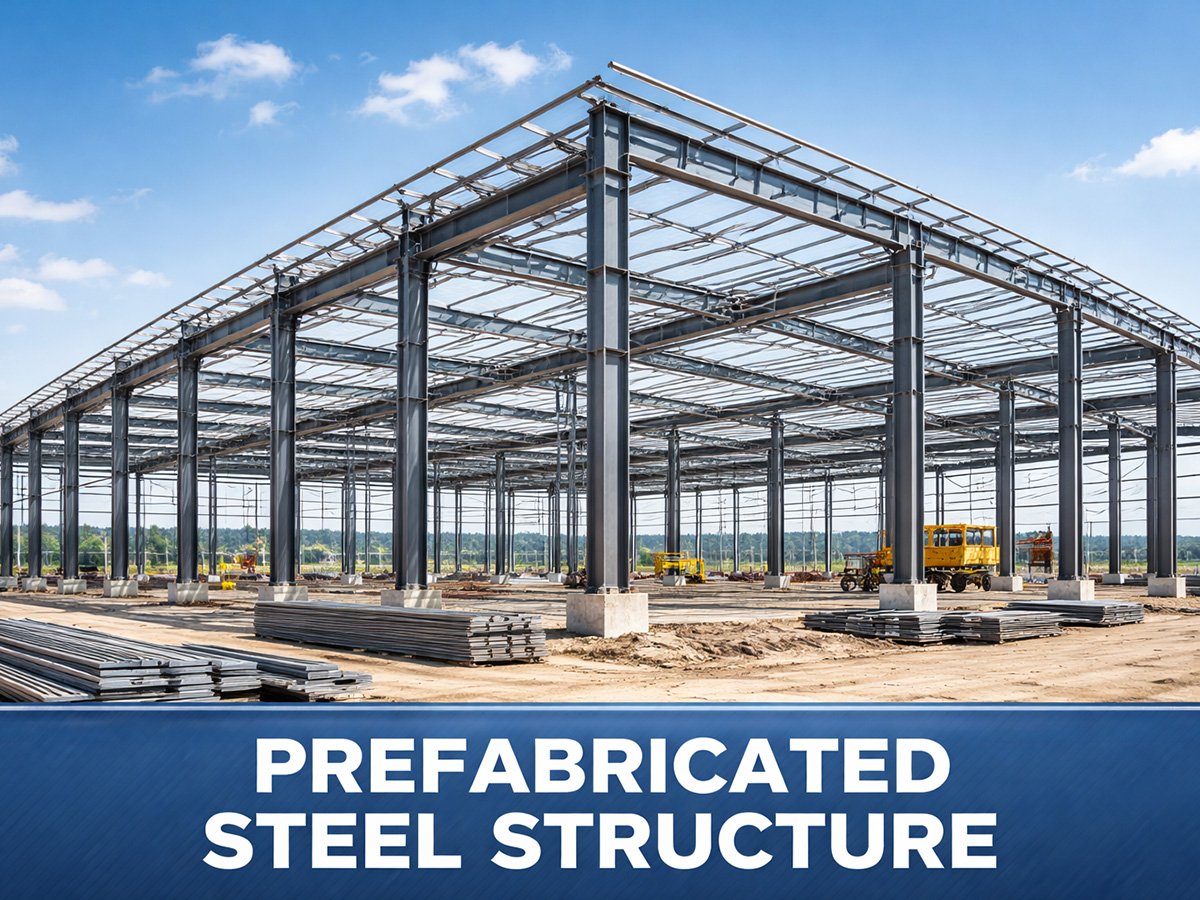
Wooden and metal buildings are currently the most mainstream forms of small-scale construction. The difference in appearance between the two after construction is not significant, but there are significant differences in the construction cycle and procedures.
Compared to a metal building, it has the advantage of simple construction. The components of wooden structures are relatively lightweight, and small teams (2-3 people) can easily build them. Due to the characteristics of wooden materials, it is possible to quickly drill holes and modify them on wood. It is a high-quality DIY choice.
Compared to wooden structures, common metal portal structures are much heavier in weight. Compared to wooden structures, transportation costs will be higher. Modularization will be more mature, and the installation of each component will be more convenient. If there is a situation of demolition and reuse in the later stage, metal building can be easily relocated.
Advantages: The requirements for foundation are much lower than those for metal building. Due to its lighter weight, it performs significantly better in earthquake resistance than typical metal buildings.
Disadvantages: It is difficult to achieve large space design unless a professional truss scheme is adopted. But this will greatly increase the design cost, and the requirements for wood will also be higher. Wood is easily affected by climate and can undergo deformation in long-term high humidity environments. So we will choose stricter moisture-proof designs (such as paint) on the wood.
Advantages: Compared to wooden structures, common metal portal structures are much heavier in weight. Compared to wooden structures, transportation costs will be higher. Modularization will be more mature, and the installation of each component will be more convenient. If there is a situation of demolition and reuse in the later stage, metal building can be easily relocated.
Disadvantages: Metal buildings have poor insulation performance and require stricter design, which will increase costs in areas with large temperature differences.
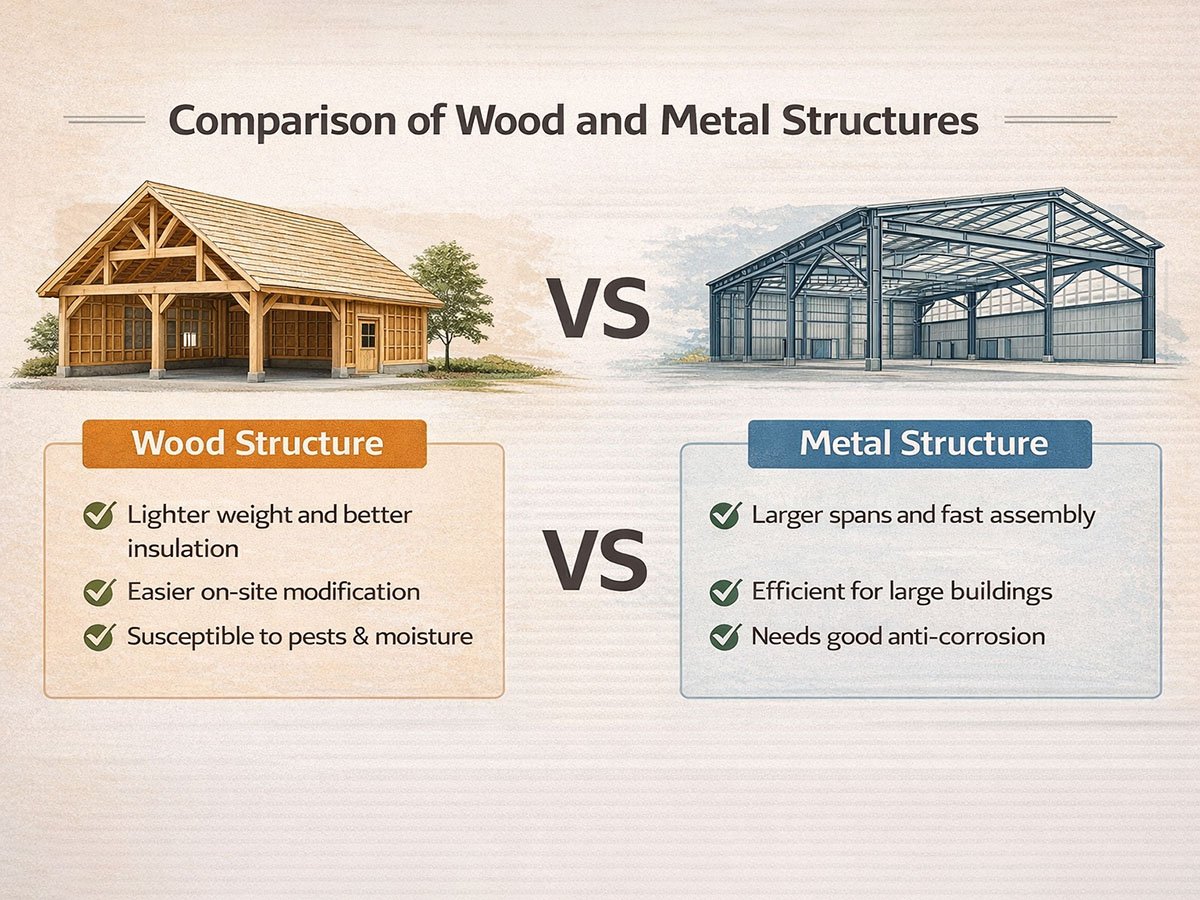
Advantages: Wooden structures are mostly purchased locally, and for some forestry developed countries, wooden structures have very low material costs.
Disadvantages: The maintenance cost in the later stage is relatively high, and wooden materials are afraid of insect damage and moisture. The occurrence of rainy and snowy weather also poses a greater threat to the wood itself. If not properly maintained, the service life will be significantly shortened.
Advantages: If the building area is relatively large, such as industrial plants, warehouses, workshops, etc. The shared cost per square meter of metal building will be greatly reduced, with some basic framework structures costing only $15-25 per square meter. Long service life, high-quality metal buildings may have a service life of 80-100 years. And there are no environmental hazards such as pests.
Disadvantages: Due to its large weight, transportation costs will be relatively high. In some extreme environments, such as coastal areas, advanced treatment of metal surfaces is required. The price will also increase accordingly.
Both wood and metal buildings are highly environmentally friendly, as wood is a biodegradable material that can generate renewable pollution. Metal building has a mature recycling system. In this regard, both are very good choices.
This mainly depends on the type of building you want to build and your geographical environment. Will there be natural disasters such as earthquakes and hurricanes? If so, we recommend metal building as it can better resist natural disasters. Do you want to achieve better insulation performance at a lower price and with a smaller building area? If so, wooden structures may be a better choice.
So, when it comes to areas with high humidity, frequent extreme weather, and pest infestations, I recommend metal building more. If there is a preference for DIY and the environment is stable, then wood will be better. Juhe Steel provides complete design solutions and designs, which can provide a metal building design plan that is more suitable for your area. Please contact our customer service or homepage for more information. Juhe Steel has a unique advantage in small garages and large workshops, and offers good discounts on prices.
Contact us for the latest quote and have a chance to receive free 3D design drawings and solutions. One on one customer service for you.
请竖屏浏览
Please rotate your device to portrait mode